In-Building Communication Specialists
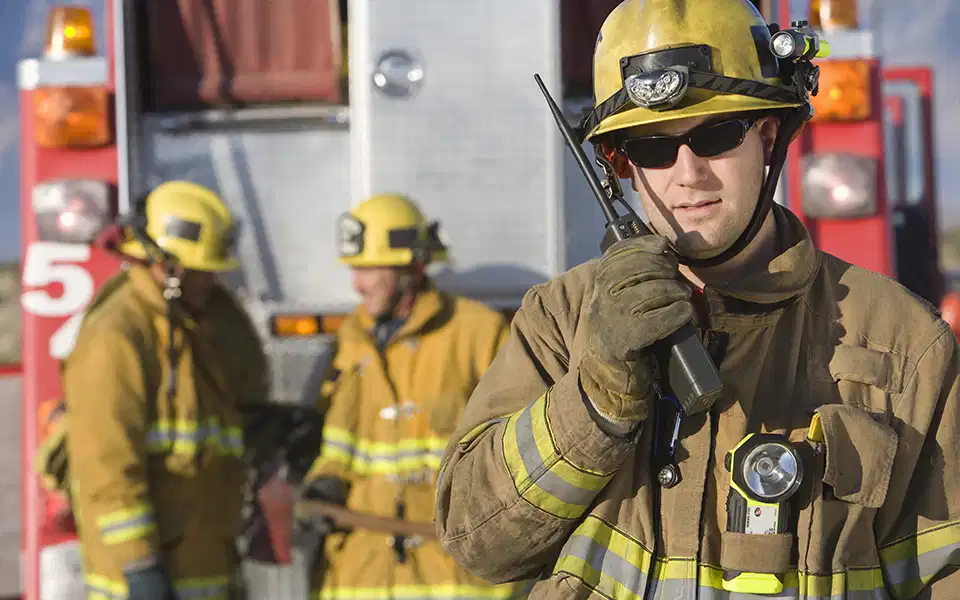
85% of 911 calls come from inside a building, and modern construction blocks the radio signals first responders depend on. We test, design, install, and certify ERRCS/ERCES and cellular DAS systems (rooftop antenna, BDA, and distributed antennas) so occupants and first responders can communicate clearly when it matters most.
Our Services
In-building public safety radio coverage, from first grid test to AHJ sign-off and annual recertification.
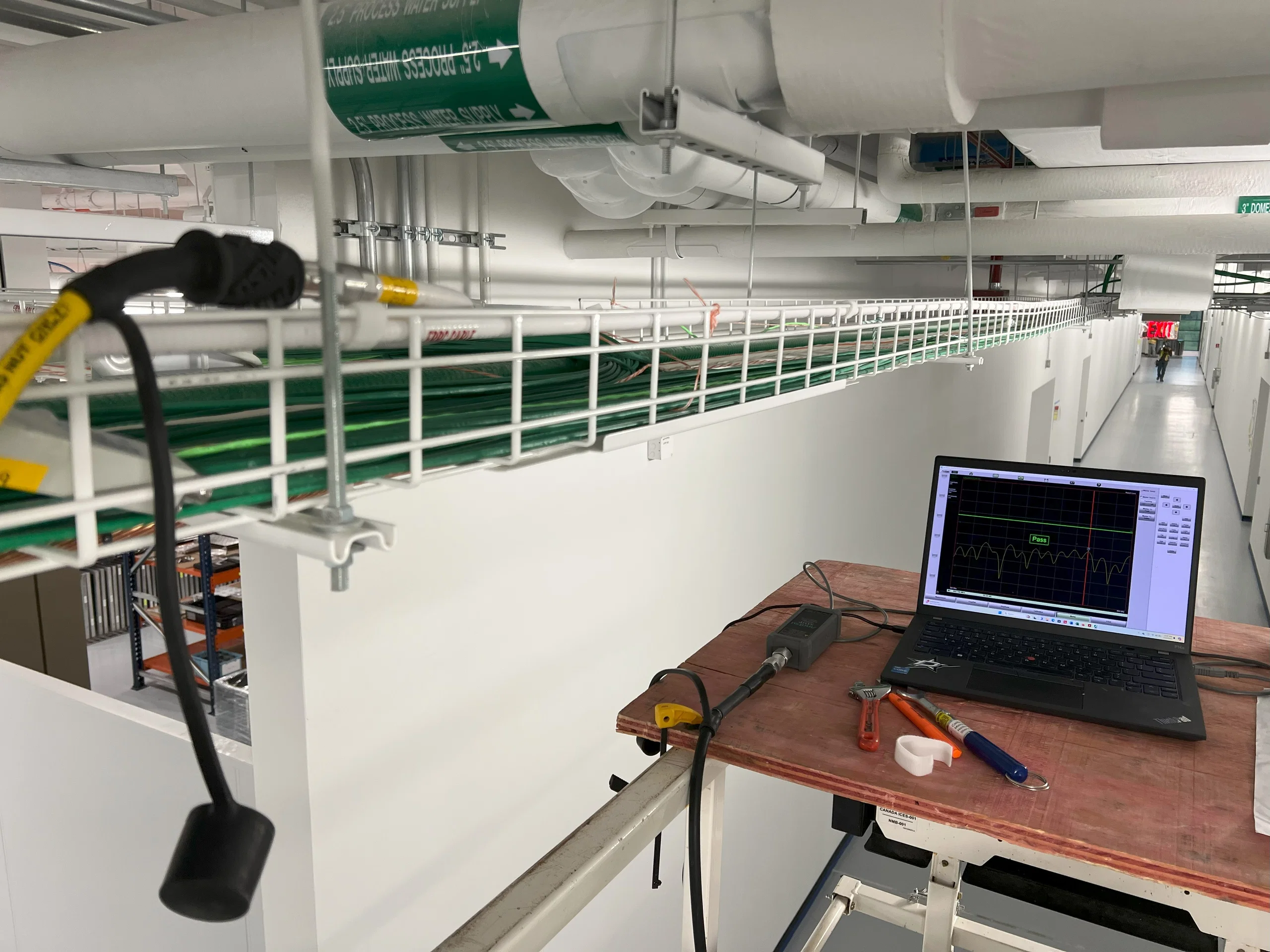
Grid (ERRC/ERCES) Testing
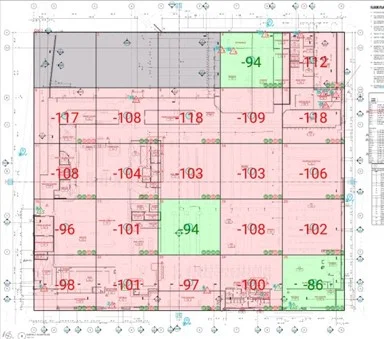
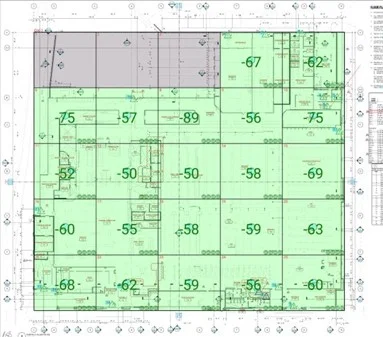
Calibrated grid testing of your building's first-responder radio coverage, scored against the NFPA, IFC, and local AHJ thresholds that govern your jurisdiction. The starting point for every new build, remodel, or compliance project.
Learn morePublic Safety / Cellular DAS / ERRCS Design & Installation
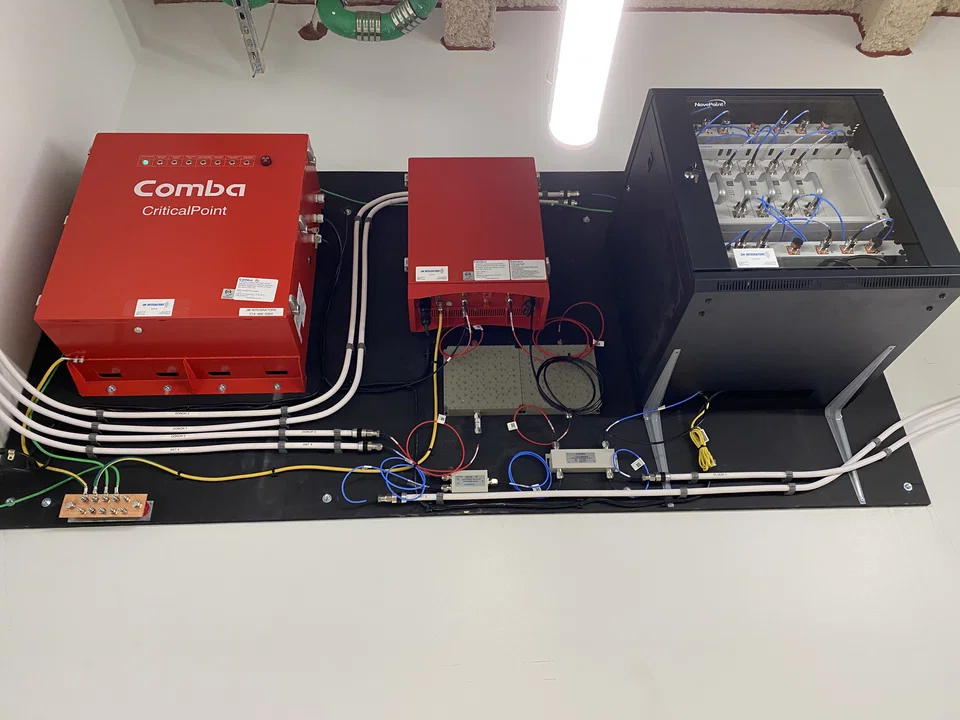
Turnkey design, donor antenna placement, BDA selection, antenna layout, and installation of the Distributed Antenna System (DAS) engineered to deliver 95%+ first-responder radio coverage throughout the building.
Learn moreRenovation & Remodel Compliance
Remodels, additions, and change of occupancy often trigger new public safety radio requirements. We test, identify gaps, and bring existing buildings up to current code.
Learn moreSubcontract Partnership for Integrators
Fire Alarm, Sprinkler, and Electrical integrators across the country bring us in for the Public Safety / cellular RF portion of their projects. We work behind your brand, deliver on schedule, and stay in our lane.
Learn moreCommissioning & AHJ Coordination
Final acceptance testing, documentation, and direct coordination with the local Authority Having Jurisdiction (fire marshal, building official, or radio communications authority) to secure your certificate of occupancy.
Learn moreAnnual Testing & Maintenance
Code-required annual inspections, signal verification, and battery backup load testing to keep your DAS system continuously compliant year after year.
Learn more
Specialists in In-Building Public Safety Communications
Who We Are
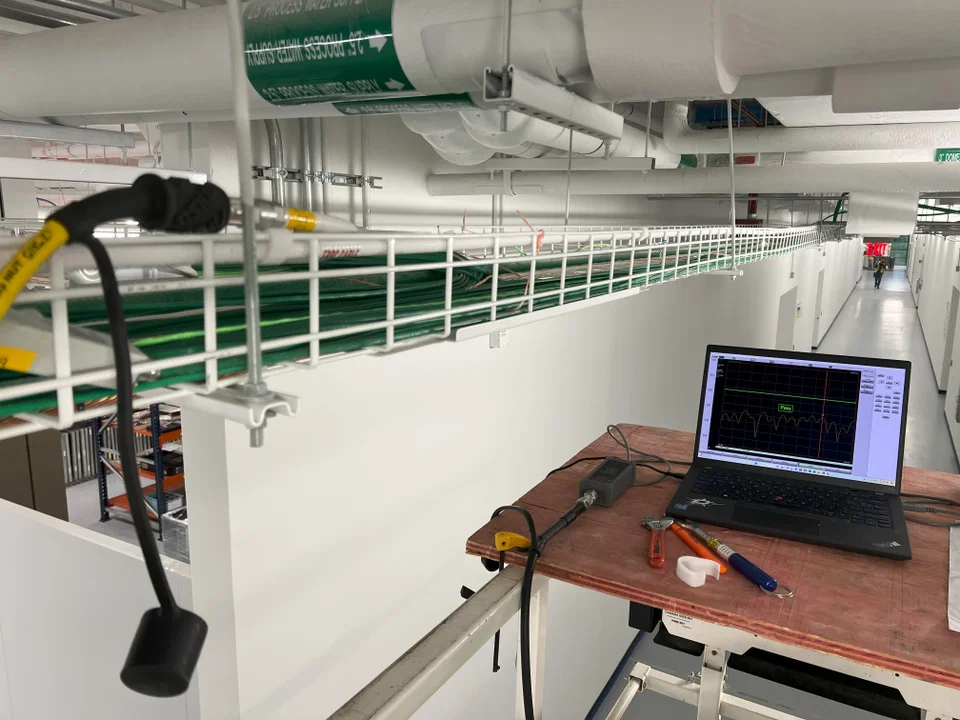
Engineered for Code Compliance
RF propagation modeling and detailed system design
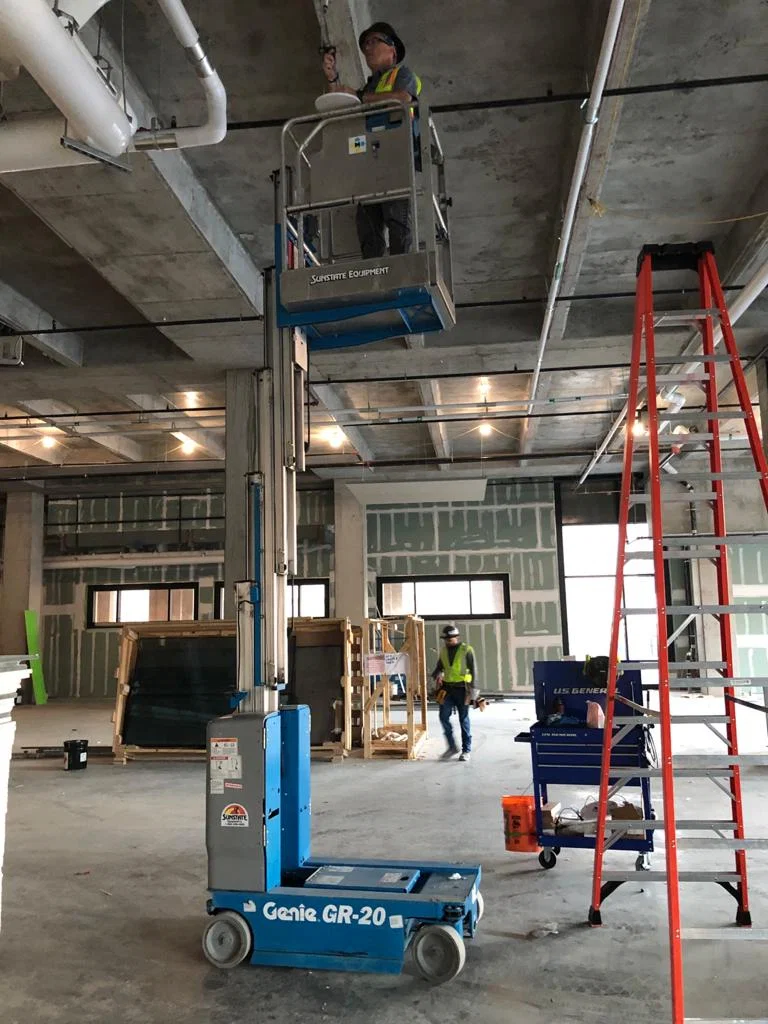
Built for Partners as Much as Owners
Trusted subcontractor for fire alarm, sprinkler, and electrical integrators
Certifications & Industry Affiliations
Credentialed in the standards that govern public safety in-building wireless.
How an Installation Comes Together
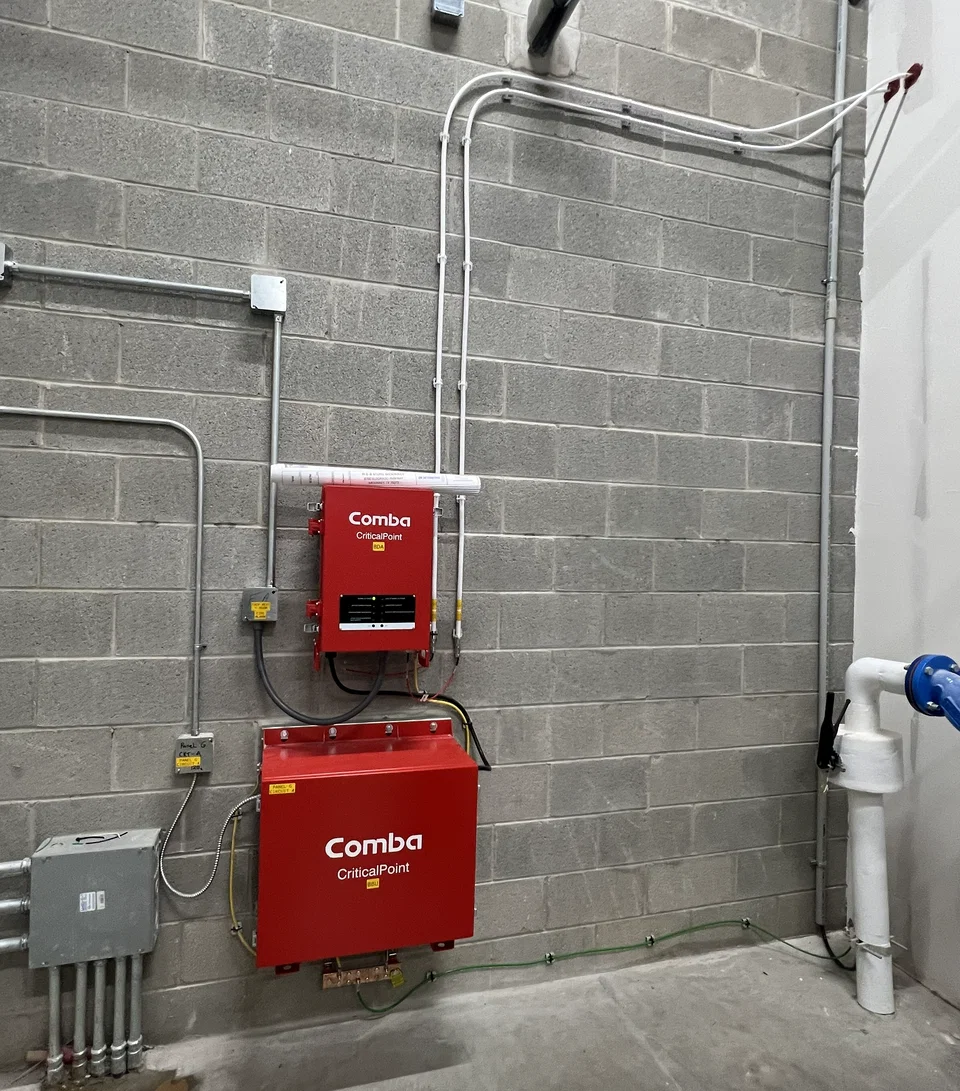
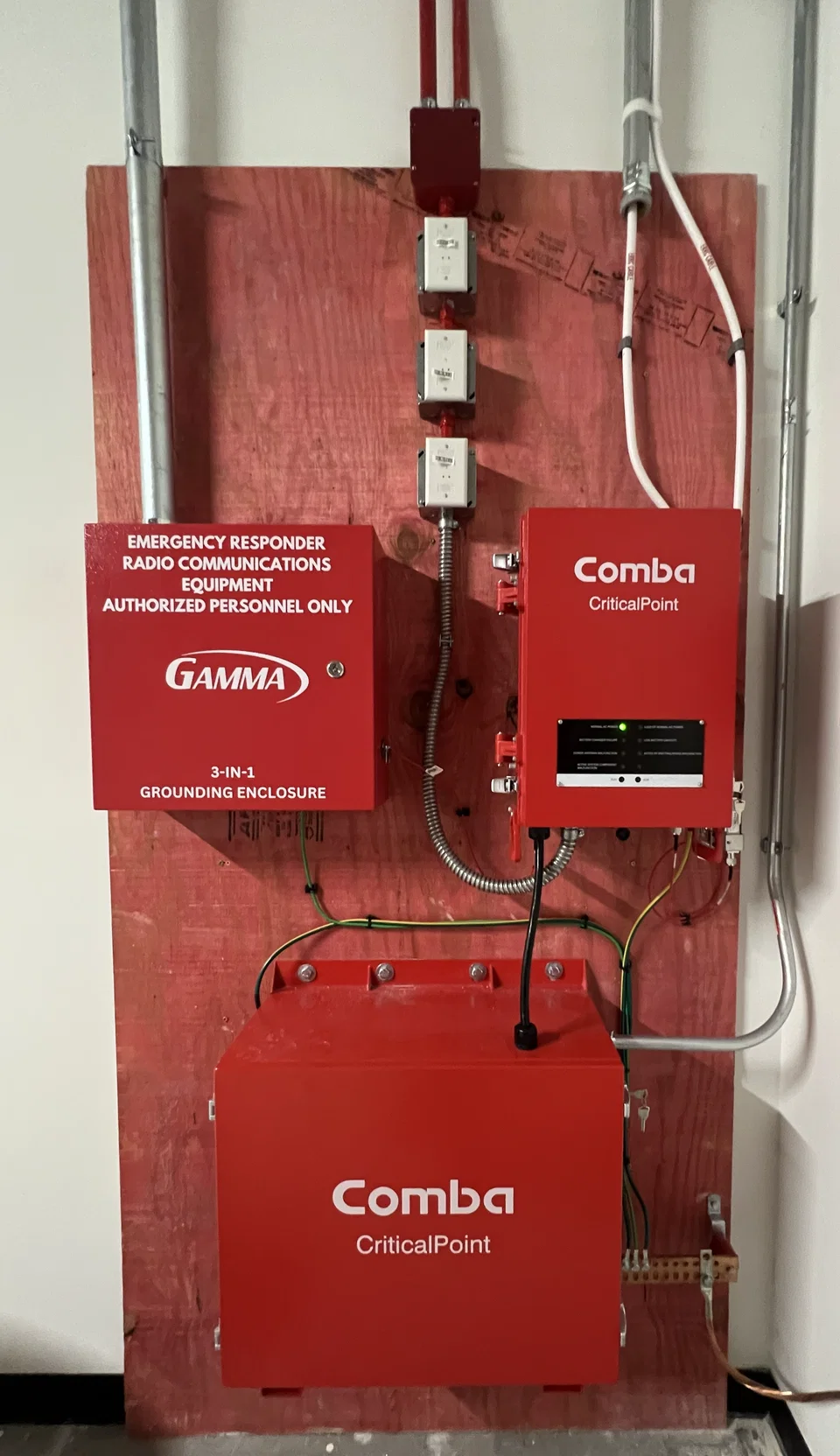
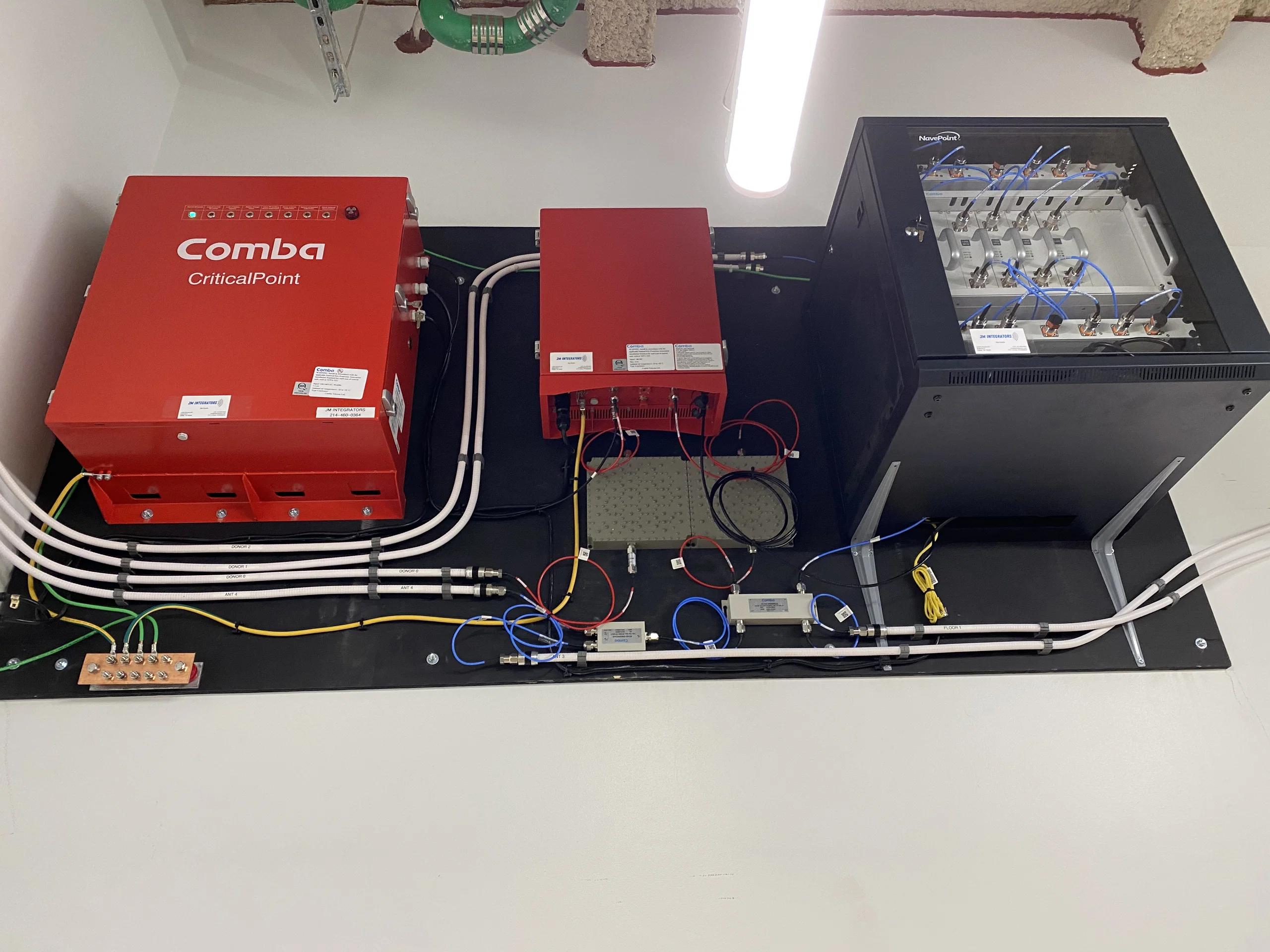
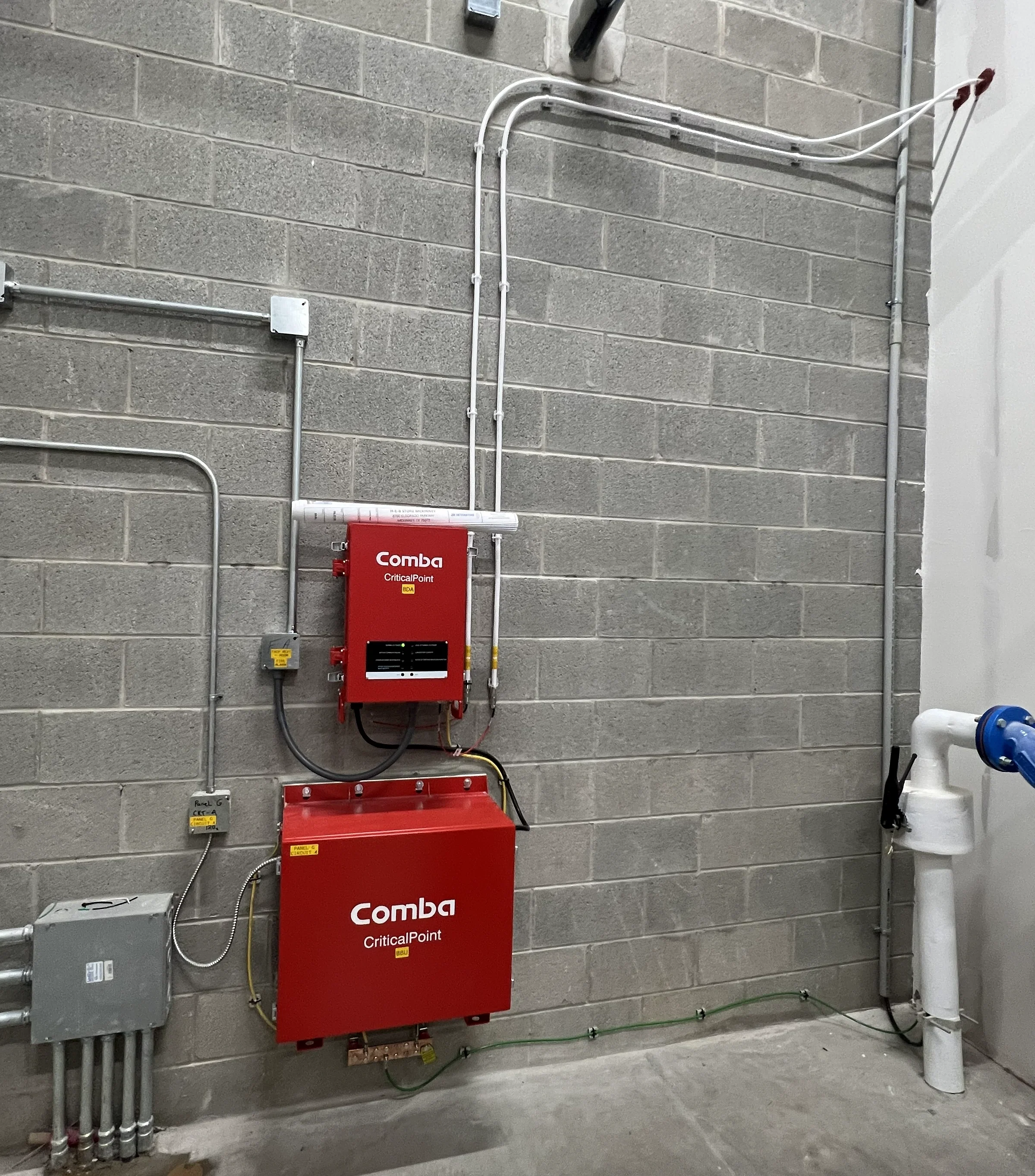
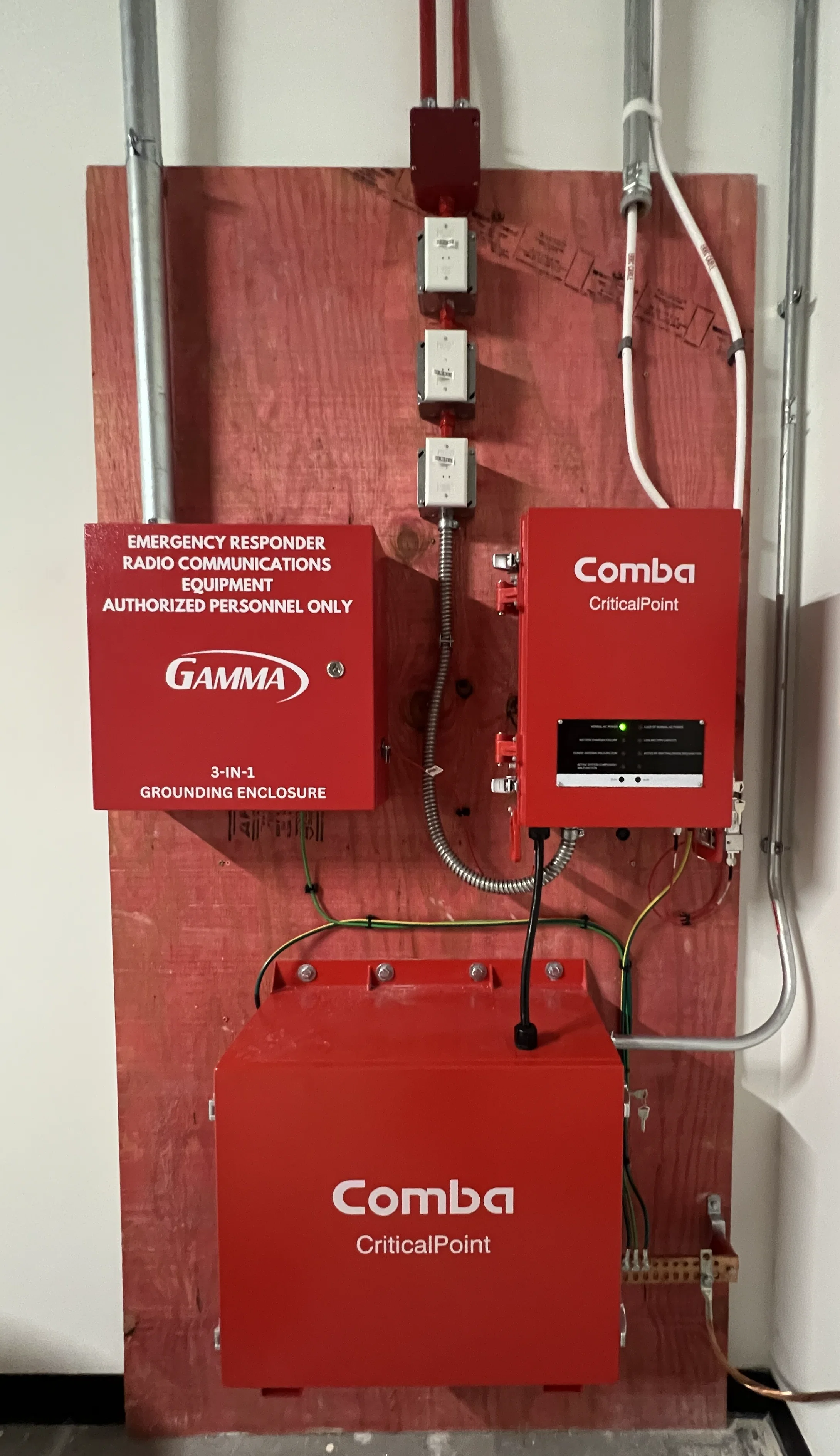
Every DAS installation follows a simple process. We benchmark test the building to measure existing coverage. Using the latest RF propagation software, our engineers design a system sized to your needs and aesthetic constraints. We install and commission to local and national codes, then re-test the new coverage against the same grid before coordinating with the AHJ for final acceptance and approval. After project close, we handle the annual testing that keeps the building compliant year after year.
Start with a Benchmark Test
Tell us about your project and we'll get back to you with next steps, usually within one business day.
Call Us
(214) 460-0364Email Us
jim@jmintegrators.comFrequently Asked Questions
Common questions about ERRC / ERCES testing, public safety DAS, and in-building cellular wireless coverage.
An Emergency Responder Radio Coverage System (ERRCS), also called ERCES, amplifies and distributes first responder radio signals throughout a building. Modern construction materials like low-E glass, concrete, and metal cladding block these signals. The local AHJ can withhold your certificate of occupancy if firefighters and police can't communicate inside your walls until coverage is brought up to code.
A donor antenna mounted on the roof picks up the local Land Mobile Radio (LMR) signals used by first responders. That signal feeds into a public safety Bi-Directional Amplifier (BDA), which boosts it and pushes it through a network of antennas distributed throughout the building, a Distributed Antenna System, or DAS. The same architecture works in reverse, so a firefighter's radio transmission from inside the building gets amplified back out to the responding agency. The result is consistent two-way coverage on the floors, stairwells, and basements where construction materials would otherwise attenuate or block the signal.
Grid testing, sometimes called ERRC testing, is a calibrated, on-site measurement of first-responder radio signal strength throughout your building, taken on a grid pattern and scored against your jurisdiction's code thresholds. We provide a written report you can share with your AHJ. If coverage passes, no system is needed. If it fails, the report becomes the basis for the system design.
Modern construction materials attenuate (weaken) or fully block radio signals. Low-E glass, concrete, steel decking, metal cladding, and energy-efficient insulation all dampen the VHF and UHF frequencies that public safety land mobile radios use. The taller, denser, and more energy-efficient the building, the worse the indoor coverage tends to be, which is exactly why code now requires testing and, where coverage fails, an ERRCS to restore it.
The two primary national codes are NFPA 1221 (now rolled into NFPA 1225) and IFC Section 510, both of which set minimum signal strength, coverage percentage, and reliability requirements. UL 2524 governs the equipment itself. With roughly 3,000 AHJs across the US, every jurisdiction adopts and amends these differently, so we design every system to the specific codes your AHJ enforces.
Often, yes. Many jurisdictions treat substantial renovations, additions, or a change of occupancy as new construction for public safety radio purposes, which means re-testing and, frequently, system installation. If you're planning a remodel, getting us in early avoids surprise compliance costs at certificate-of-occupancy time.
Floorplans are needed for a grid test, and accurate floorplans are needed for a system design. In some cases, a grid test can be done without detailed plans by using a Google Earth picture of the building, but best results are with actual floorplans in Acrobat pdf form. That allows the walls, critical areas, etc. to be noted and recorded.
Yes, it's a significant part of our business. Fire alarm, sprinkler, and electrical integrators across the country bring us in for the public safety RF portion of their projects. We subcontract behind your brand, deliver on schedule, and don't compete for your customer relationship. If you have a project that needs ERRCS expertise, get in touch.
A Distributed Antenna System (DAS) is the same for both cellular (ATT, T-Mobile & Verizon) and Public Safety. The main difference is the frequencies that are being broadcast. Each type of DAS is fed from a Bi-Directional Amplifier (BDA) that amplifies the specific frequencies or Frequency Bands for the type needed. In some cases, the same DAS can be fed with both cellular and Public Safety BDA's subject to Authority Having Jurisdiction (AHJ) approval.
Each project is unique, but most projects run six to twelve weeks from contract signing to AHJ approval. Grid testing and design take one to two weeks. Equipment lead time is usually three to six weeks. Installation runs one to three weeks depending on building size, and commissioning plus AHJ inspection adds another week. We provide a project schedule up front and keep you updated as the work progresses.
Yes. Working with the Authority Having Jurisdiction (fire marshal, building official, or radio communications authority depending on jurisdiction) is part of every project. We submit design documents for review, schedule the final acceptance test with the AHJ on site, and provide the documentation package they need to sign off.
We're based in Dallas, Texas and primarily serve the DFW metroplex and broader Texas region directly. Nationally, we partner with fire alarm, sprinkler, and other integrators on projects in all 50 states. We deliberately prioritize quality regional installations and trusted partner work over spreading thin: fewer projects, done right.
Yes. NFPA and IFC require annual inspection and testing of public safety communication systems, including signal strength verification, battery backup load testing, and alarm panel checks. We offer annual service contracts that handle this on schedule so your building stays in continuous compliance.
Yes, it's a significant portion of our work. We schedule cable pulls, drilling, and equipment installs around your operations, often working evenings or weekends in healthcare and commercial environments. We'll walk the building with you before the project starts and put a phased plan in writing.
Yes. We're based in Dallas and serve the entire DFW metroplex directly, including Plano, Richardson, Frisco, Irving, and the surrounding cities, along with the broader Texas region. For public safety DAS and ERRCS projects outside Texas, we partner with fire alarm, sprinkler, and electrical integrators nationwide. If you have a building in the DFW area that needs grid testing or an ERRCS, we can usually be on site quickly.